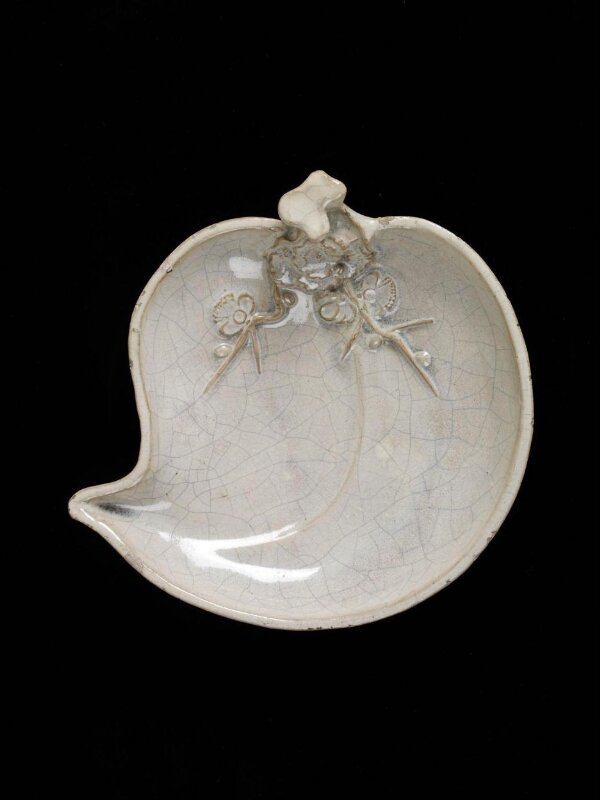
Yixing glazed stoneware dish
V&A East Asian Ceramics Collection
This is a test website made by Liana. I drew from the Collections of the V&A museum in London, and selected East Asian (Chinese and Japanese) ceramics, to display on a sample Canopy site. I inserted descriptions from the V&A website without proper attribution, as this is a sample website.
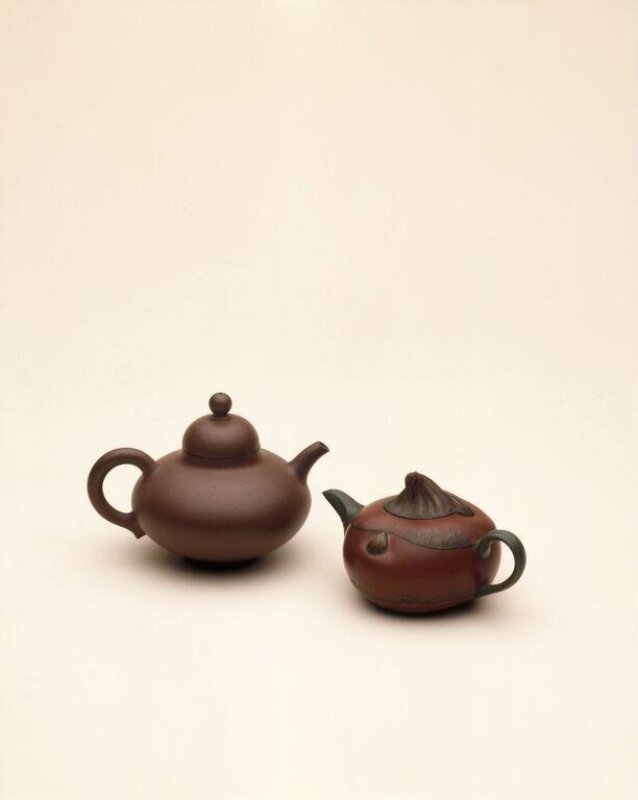
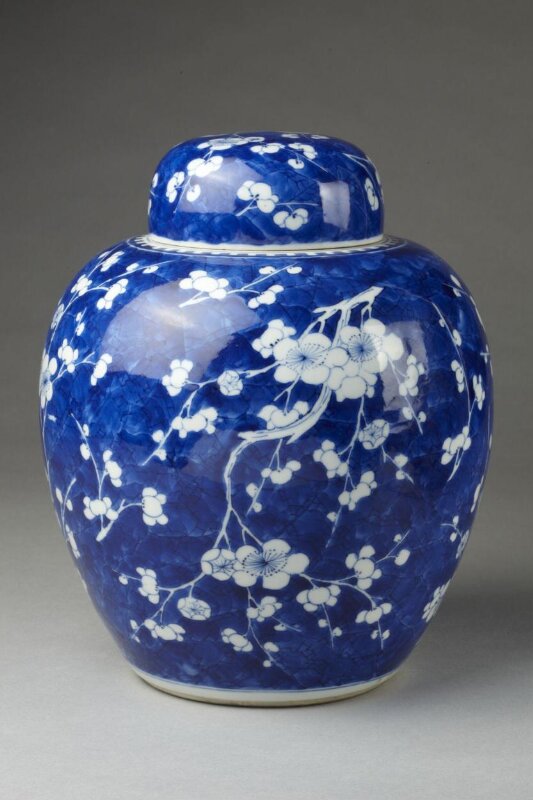
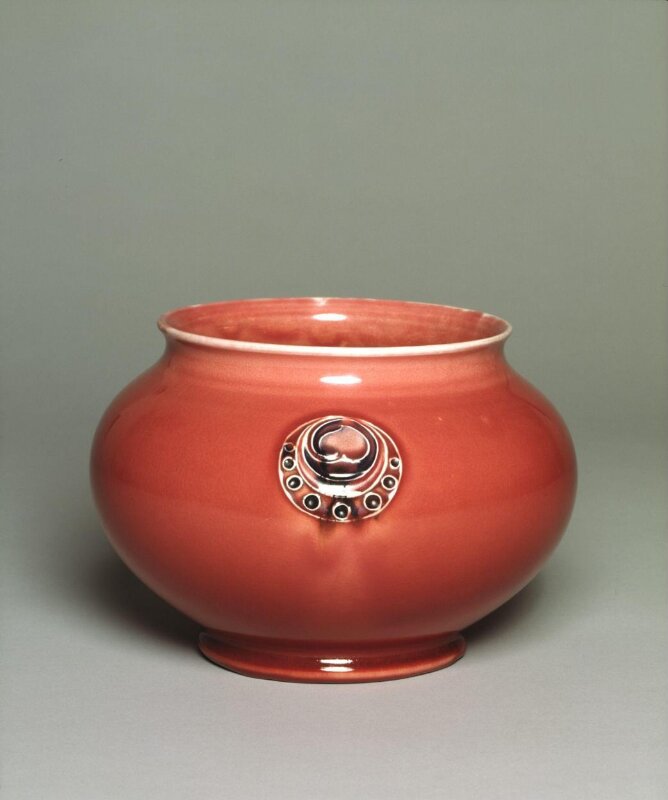
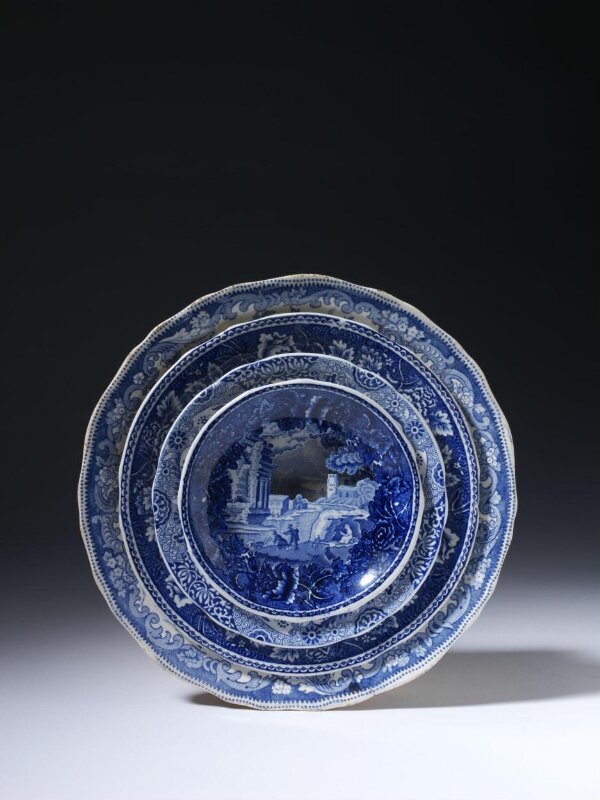
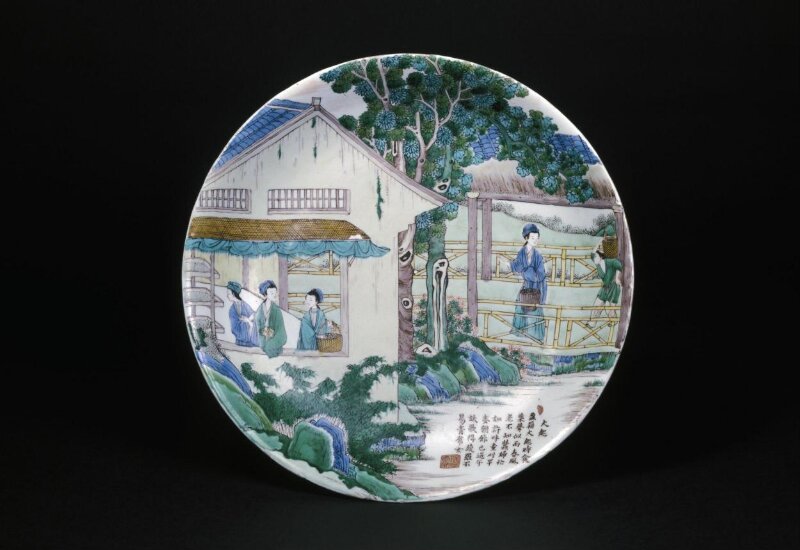
History of ceramics in China
The history of Chinese ceramics can be traced back to over ten thousand years ago. During the Yangshao culture of the Neolithic age, earthenware with color decoration as well as red or white-bodied ware were made, and later in the Longshan culture, production of black ware flourished.
In the Shang dynasty, ash-glazed ware which are also known as proto celadon began to appear and from the end of the Spring and Autumn period to the Warring States period, hard-bodied, high-fired pottery with impressed decoration and ash-glazed ware were fired.
By the Warring States period, gray ware with or without color decoration were produced in large quantities, one of the leading examples being the terracotta warriors excavated from the tomb of Emperor Qin Shihuangdi.
Celadon
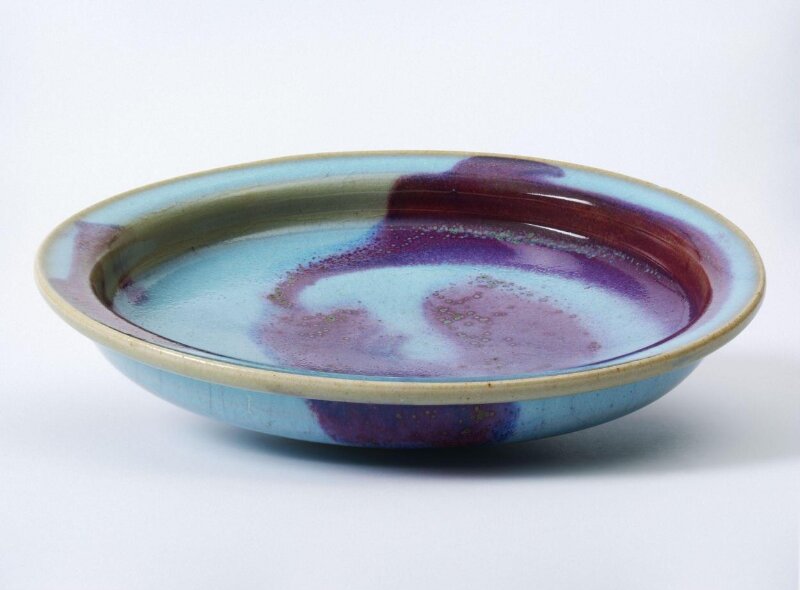
China produced many types of green-glazed wares, in shades ranging from olive to grass to grey-blue. Resembling jade, they were admired for their tranquil beauty. They were often used in Buddhist tea ceremonies and meditation rituals.
Although some were made in northern China, green-glazed wares remained a speciality of the south; this dish was produced at the Longquan kilns of Zhejiang province. Green-glazed vessels were exported in large quantities to South-east Asia and the Middle East. Later European collectors gave these wares the fanciful name of ‘celadon’.
Overview
Picture two source IIIF collections with digitized items relating to a famous author: Collection A providing 70 manifests and Collection B contributing 35 more. A team is tasked with building out a unified digital project for these items that allows users to browse their content, as well as interact with contextual essays, timelines, and maps. By using Canopy, implementers can quickly stand-up a working project with every manifest becoming its own work page, authored Markdown files providing context, and both streams feeding a shared search index before everything is written out to static HTML, CSS, and data assets. The diagram below walks through that pipeline so you can see how these raw manifests become a ready-to-host digital project. Canopy uses the IIIF Presentation API to deliver rich media from providing institutions, Markdown as MDX for authoring contextual content and layout, TailwindCSS for the user interface, and a static FlexSearch index for search.
IIIF Collection(s)
Source collections contribute 105 total manifests that Canopy retrieves as-is via IIIF endpoints.Collection A
- 70 Manifests
- IIIF Images + A/V
- Textual Annotations
Collection B
- 35 Manifests
- IIIF Images + A/V
- Textual Annotations
Canopy Build Process
Canopy syncs manifests, page content, and annotations before bundling the site.Automated content
- 105 manifests → 105 work pages
- One page per manifest
- Customize page layout
Contextual content
- Markdown & MDX pages
- Author narratives
- Reference manifests inline
Search index
- Combines works + pages
- Customize result layout
- Optional annotations
Static Digital Project
The output is a lightweight bundle of HTML, CSS, JS, and JSON assets that can deploy anywhere.Work pages
- 105 generated HTML pages
- Each links back to source manifests
- Styled with Canopy components
Custom pages
- Markdown & MDX-authored content
- Reusable layouts for narratives
- Embed IIIF media & interstitials
Search bundle
- Static FlexSearch index
- Works + pages share records
- Optional annotation dataset